How stem cell attractants are redefining gut and skin health, metabolism, and overall well-being — and why they may be the next big disruption in the world of nutraceuticals and healthy diets.
1. What Are Stem Cell Attractants?
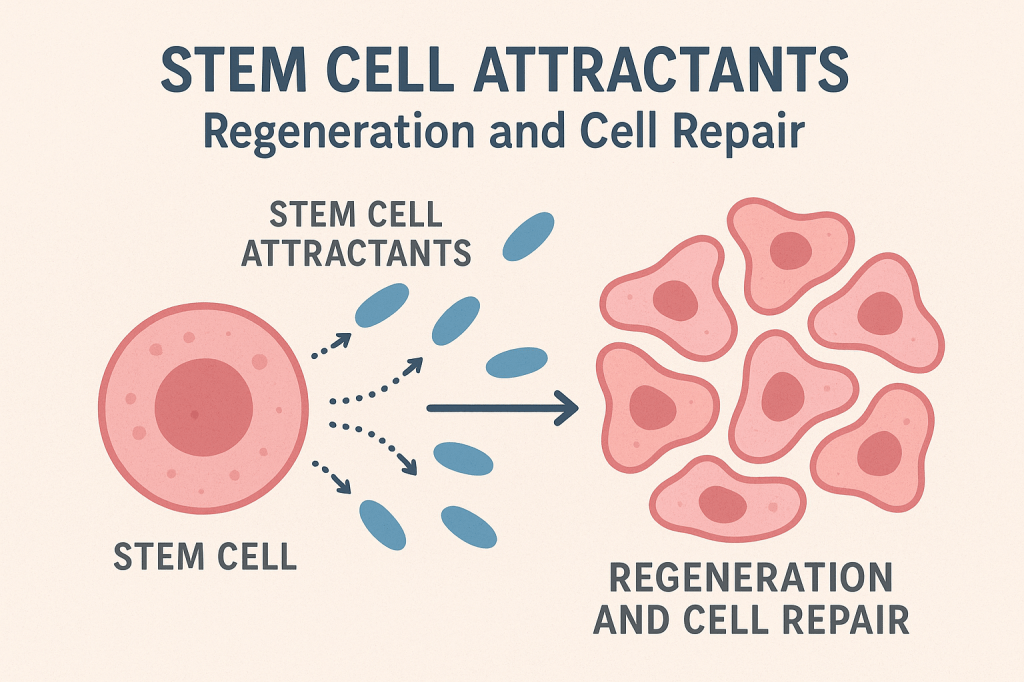
Stem Cell Attractants (SCAs) are a new generation of bioactive compounds designed to mobilize, recruit, or activate the body’s own regenerative cells — especially adult stem cells — toward areas needing repair or rejuvenation.
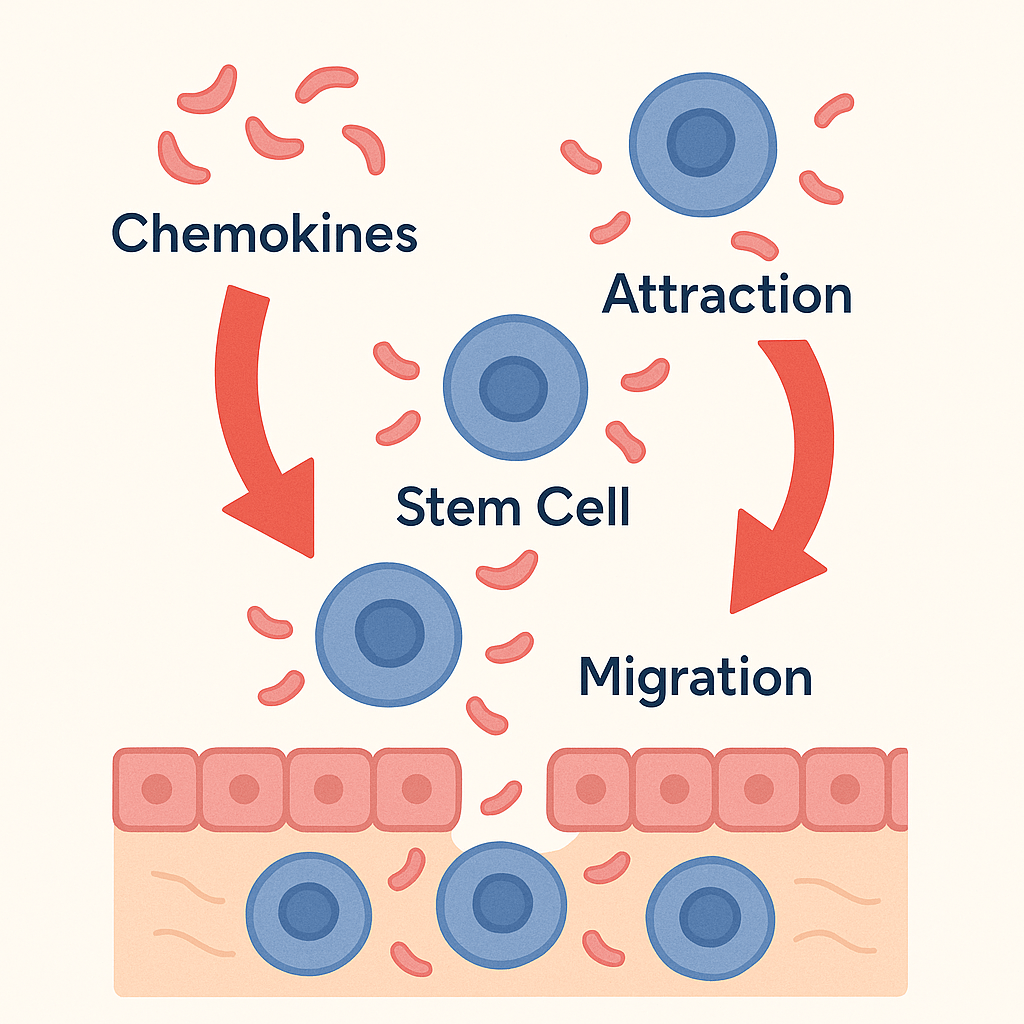
Unlike stem cell therapy (where cells are transplanted), SCAs work by enhancing the body’s natural repair mechanisms, leveraging chemotaxis, the biological process by which stem cells migrate in response to chemical signals.
The best-known attractant system is SDF-1 (Stromal Derived Factor-1) and its receptor CXCR4, a master regulator of cell migration. Nutritional and botanical analogs are now being explored to mimic or stimulate this natural pathway safely through diet and supplements.
2. Key Biological Mechanisms
- Chemokine activation: SCAs enhance signaling molecules like CXCL12 (SDF-1), MCP-1, and VEGF that recruit stem and progenitor cells to tissues.
- Tissue microenvironment priming: SCAs improve local cytokine and growth factor expression (IGF-1, EGF, HGF).
- Epigenetic modulation: Some bioactives (polyphenols, flavonoids, peptides) help maintain stem cell pluripotency and slow cellular aging.
- Oxidative stress reduction: Stem cells are highly sensitive to oxidative damage; SCAs often include antioxidants to maintain redox balance.
3. Health Benefits Beyond Gut and Skin
🧠 a. Brain and Cognitive Health
Certain SCAs can stimulate neural stem cells in the hippocampus and olfactory bulb, supporting neurogenesis, cognitive resilience, and mental well-being.
Compounds like resveratrol, EGCG (green tea catechins), and curcumin enhance BDNF and SDF-1 signaling, improving memory and focus.
❤️ b. Cardiovascular and Endothelial Repair
Circulating Endothelial Progenitor Cells (EPCs) play a key role in vascular healing. SCAs derived from seaweed polysaccharides, spirulina extracts, and ginseng saponins have been shown to increase EPC counts, improving endothelial function and supporting recovery from ischemic events.
🦴 c. Bone, Muscle, and Joint Regeneration
SCAs, particularly bone morphogenetic peptides and MSCs (mesenchymal stem cell) attractants, improve bone density, muscle recovery, and cartilage repair.
In nutraceutical form, combinations of collagen peptides, vitamin D, boron, and plant-derived attractants help in regenerative sports nutrition and anti-fragility diets for aging populations.
🧬 d. Immune and Metabolic Balance
Stem-cell mobilization indirectly boosts immune renewal and metabolic resilience:
- Enhances hematopoietic stem cell (HSC) activity → rejuvenates immune response.
- Improves glucose and lipid metabolism via paracrine signaling and better mitochondrial function.
- Supports liver and pancreatic repair, contributing to better detoxification and metabolic flexibility.
4. Gut and Skin — The Core Evidence
🌾 Gut Microbiome Synergy
Stem cell attractants, when delivered through functional foods, can:
- Promote intestinal crypt regeneration, improving mucosal barrier integrity.
- Reduce gut inflammation (colitis models show benefit via SDF-1 signaling).
- Improve absorption and gut–brain axis communication through neuropeptide release.
When combined with probiotic or prebiotic foods, SCAs can form a Regenerative Nutrition Matrix that heals and maintains gut lining while feeding beneficial microbes.
🌸 Skin Rejuvenation and Repair
Topical and dietary SCAs can:
- Stimulate fibroblast and keratinocyte regeneration.
- Enhance collagen synthesis and angiogenesis for faster wound healing.
- Reduce oxidative and UV-induced damage.
- Work synergistically with vitamin C, hyaluronic acid, and marine collagen to provide cellular rejuvenation from within.
5. The Emerging Trend — Stem Cell Attractant Functional Foods
Imagine your morning drink, snack bar, or dessert not just being low-calorie or high-protein, but also biologically regenerative. That’s the disruption SCAs are enabling.
🍫 a. Functional Sweeteners + Stem Cell Attractants
Pairing SCAs with low-glycemic, prebiotic sweeteners like isomaltulose, stevia, inulin, or allulose opens a whole new category of “Regenerative Sweets”:
- Sweet taste stimulates dopamine and gut hormones (GLP-1, PYY).
- SCAs work in parallel to promote cellular renewal and metabolic balance.
- Combination supports healthy indulgence, metabolic repair, and anti-aging nutrition.
Example:
“StemCell Cocoa” — A dark chocolate fortified with natural stem-cell attractants (resveratrol, green tea extract, SDF-1 mimetics) and sweetened with prebiotic allulose. It promotes gut repair and vascular regeneration while satisfying sweet cravings.
🥣 b. Regenerative Breads and Beverages
Incorporating SCAs into fermented foods or kombucha sodas can amplify natural stem-cell-friendly metabolites like butyrate and polyphenols.
For instance:
- Probiotic + Attractant Kombucha for gut and skin synergy.
- Millet + Moringa-based Functional Breads fortified with SCA peptides and antioxidants for anti-aging and metabolic benefits.
🧁 c. Nutraceutical Snacks
Formulations combining:
- Plant-based attractants (ginseng, spirulina, goji berry)
- Probiotic cultures
- Adaptogens (ashwagandha, bacopa)
can create the first daily regenerative snack line — not just preventing disease, but optimizing tissue regeneration.
6. Pros and Cons
| Advantages | Challenges / Risks |
|---|---|
| Non-invasive, works with natural repair | Limited long-term clinical data |
| Can be formulated into foods or supplements | Regulatory ambiguity (cosmeceutical vs nutraceutical) |
| Broad systemic effects (multi-organ) | Possible off-target effects if overdosed |
| Synergy with microbiome and nutrition | Marketing hype may outpace science |
| Preventive and restorative approach | Needs standardization of biomarkers |
7. The Future of SCAs in Wellness and Nutrition
The next 5–10 years will likely see:
- Clinically validated SCA ingredients — peptides and botanical actives with clear cell-homing data.
- Hybrid food-pharma platforms — probiotic yogurts, sodas, and bars with regenerative bioactives.
- AI-driven nutrigenomics — tailoring SCAs based on genetic and microbiome data.
- Wellness personalization — daily regenerative diets as part of preventive medicine.
8. Conclusion
Stem Cell Attractants represent a paradigm shift from nutrition for sustenance to nutrition for regeneration.
By activating the body’s natural repair systems, they can potentially:
- Restore gut barrier and microbiome balance
- Rejuvenate skin and connective tissues
- Support vascular, immune, and neural repair
- Transform functional foods into true regenerative nutrition systems
However, as with any emerging technology, scientific validation and ethical marketing are crucial. When used responsibly — especially when combined with probiotics, antioxidants, and functional sweeteners — stem cell attractants could mark the birth of a new era in bioactive, regenerative foods.
Prepared by Tarak Dhurjati
The above article has utilized AI tools for generation

 SAMSIDDHA@AI