Dr. Akkaraju VN Sarma’s extraordinary journey as a Anthropology Professor, Physician and a volunteer who laid foundation to the success of Indian disapora in USA.
By Special Correspondent
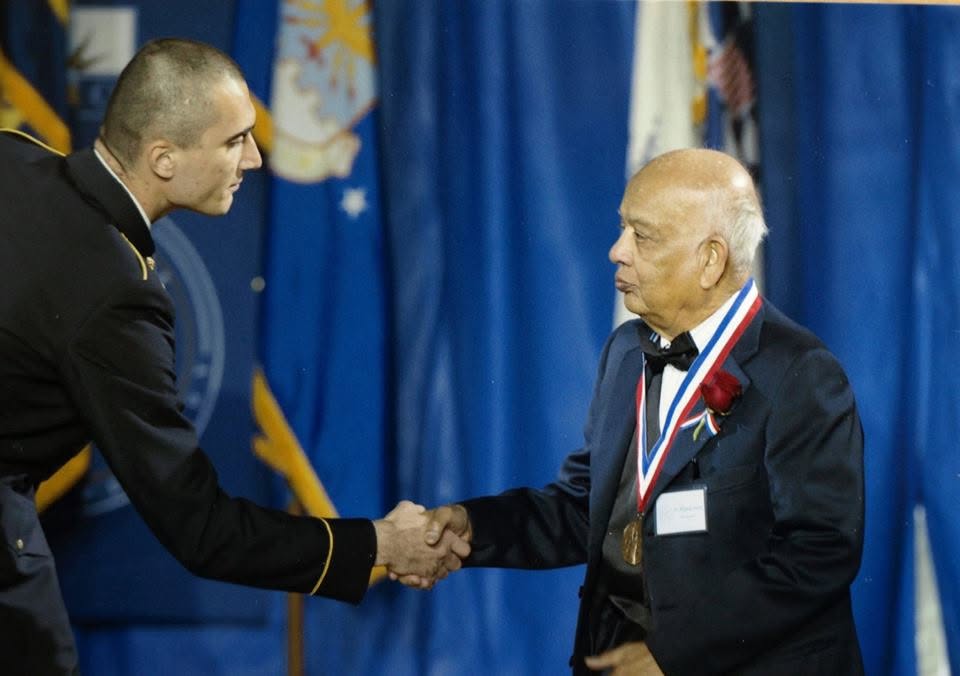
In an era of hyper-specialization, the life of Dr. Akkaraju VN Sarma stands as a profound testament to the power of a multidisciplinary mind driven by absolute selflessness. As a pioneering scholar, a compassionate general internist, and a foundational pillar of the Indian community in North America, Dr. Sarma has spent six decades transforming lives at the intersection of cultural preservation and health philanthropy. Today, as a proud Overseas Citizen of India (OCI) approaching the nonagenarian milestone of 90 years of age, he continues to voluntarily treat the needy, embodying the ultimate spirit of a true Karma Yogi.
From Madras to Columbia: An Academic Titan Emerge
Born in 1936 in the historical town of Nellore, Andhra Pradesh, Dr. Sarma’s intellectual journey was grounded in high distinction early on. In the 1950s, his leadership skills took root in Chennai, where he served as the Chairman of the College Union of Sir Theagaraya College and subsequently as the Secretary of the Presidency College Zoological Society. Following advanced post-graduate diplomas from Madras University, his pursuit of deeper evolutionary truths led him to cross continents.
Arriving in the United States in 1965, he entered the prestigious halls of Columbia University, where he earned his Ph.D. in Anthropology in 1969. His field studies in paleoecology—particularly mapping prehistoric human adaptations and the El Niño climate phenomenon in South America—remained benchmark literature. By 1970, he had joined Temple University in Philadelphia, transitioning smoothly into a highly respected tenured professorship. For nearly two decades, he shaped the future of American science, successfully guiding over 10 Ph.D. candidates and 50 Master’s students.
The Great Transition: A Tenured Professor Picks Up the Stethoscope
In a move that defied conventional professional trajectories, Dr. Sarma enrolled at the Universidad Autónoma de Ciudad Juárez to study medicine while balancing his academic commitments, graduating with his Doctor of Medicine (M.D.) degree in 1980. By 1983, he had opened an independent private practice in Philadelphia and earned multi-state surgical licensures, alongside privileges at the Temple University Hospital. He was eventually elected a Fellow of the American Academy of Family Physicians (FAAFP).
Rather than seeking high-paying corporate medical positions, Dr. Sarma anchored his practice firmly within medically underserved urban sectors. For over 40 years, he served as a pro-bono lifeline to low-income immigrant families. When thousands of Bhutanese-Nepali refugees arrived in Pennsylvania with massive language barriers and complex health needs, Dr. Sarma partnered with the American Cancer Society to set up dedicated health camps. He regularly supplied medication and clinical care to traveling traditional temple sculptors (Stapathis) stranded without health insurance. Furthermore, leading by example, he has personally donated blood over 50 times since 1991 as a universal O+ donor.
The Cell of Hope: A Visionary Campaign for Life
Dr. Sarma’s unique strength was his ability to spot macroscopic cultural crises through a clinical lens. In 1991, he realized a tragic scientific reality: a complete lack of South Asian registrants in international bone marrow and stem cell banks meant that leukemia and blood cancer patients of Indian origin faced an absolute death sentence.
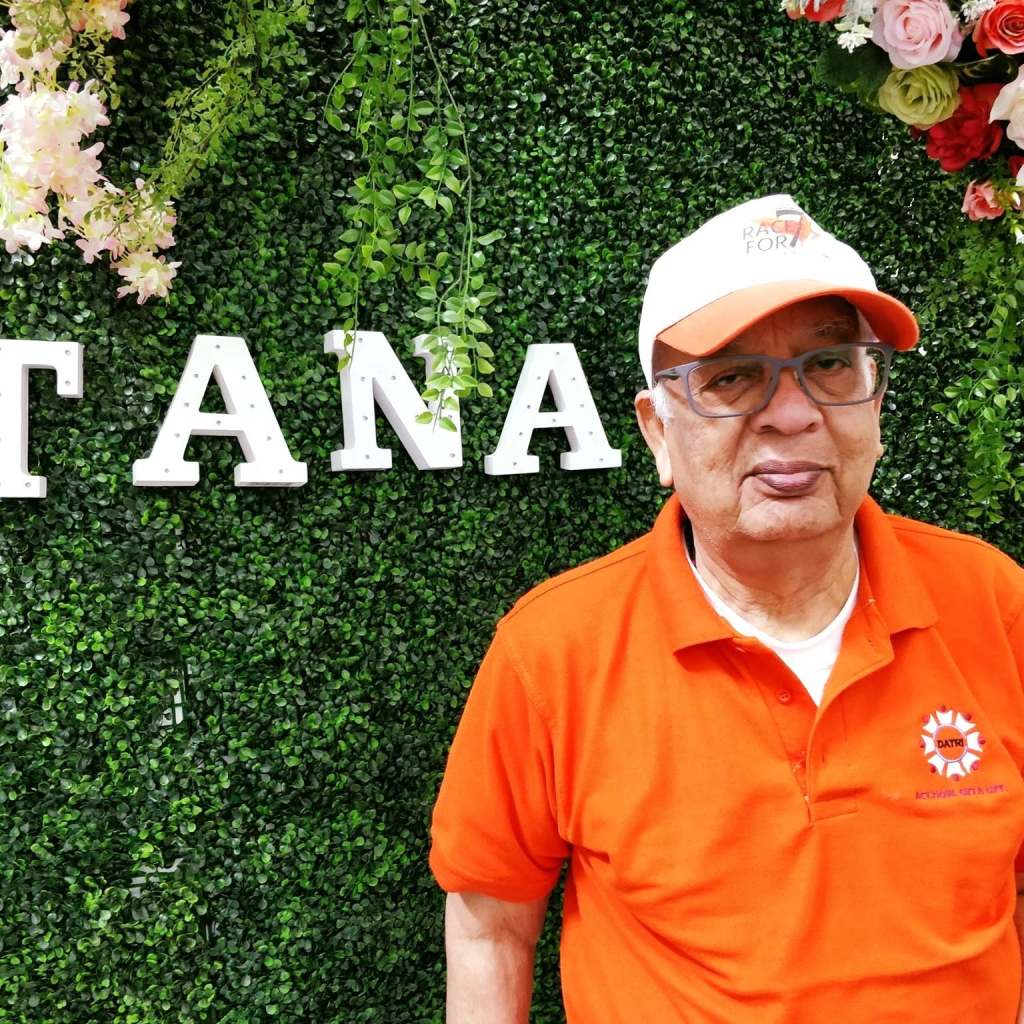
Instead of waiting for institutional help, he self-funded and launched the first-ever South Asian-focused stem cell donor drive at the TANA Atlanta Convention in 1991. Alongside his nuclear family, he organized over 100 grassroots drives across North American temples, cultural functions, and conventions. This relentless push single-handedly enrolled over 40,000 potential life-saving donors, establishing the exact operational blueprint that inspired international entities like Datri.org in India, which now safeguards thousands of Indian lives.
Architect of the Modern Diaspora
Beyond medicine, Dr. Sarma is globally recognized as one of the original structural architects of the North American Indian diaspora. In 1967, as a young student at Columbia, he held the historic group discussions that planted the seed for the Telugu Association of North America (TANA). In 1972, he was among the active initial foundingToda members of Joint Tamil-Telugu Association of Greater Delaware Valley (TAGDV), building a unified network that preserved linguistic identity and sent critical developmental aid back to ancestral villages in South India.
His civic infrastructure efforts culminated in his 15-year tenure heading the Health and Human Services Committee of the Bharatiya Temple in Pennsylvania, turning a local religious hub into an engine of civic wellness that handled emergency CPR training, cancer screenings, and mass pandemic immunization drives.
A Legacy of Selfless serice and volunteerism
Dr. Sarma’s lifetime of monumental altruism has earned him massive global honor. In 2016, he received the Ellis Island Medal of Honor, the highest American civilian accolade for naturalized citizens recorded in the US Congressional Record. This was paired with the President’s Volunteer Service Award in 2021.
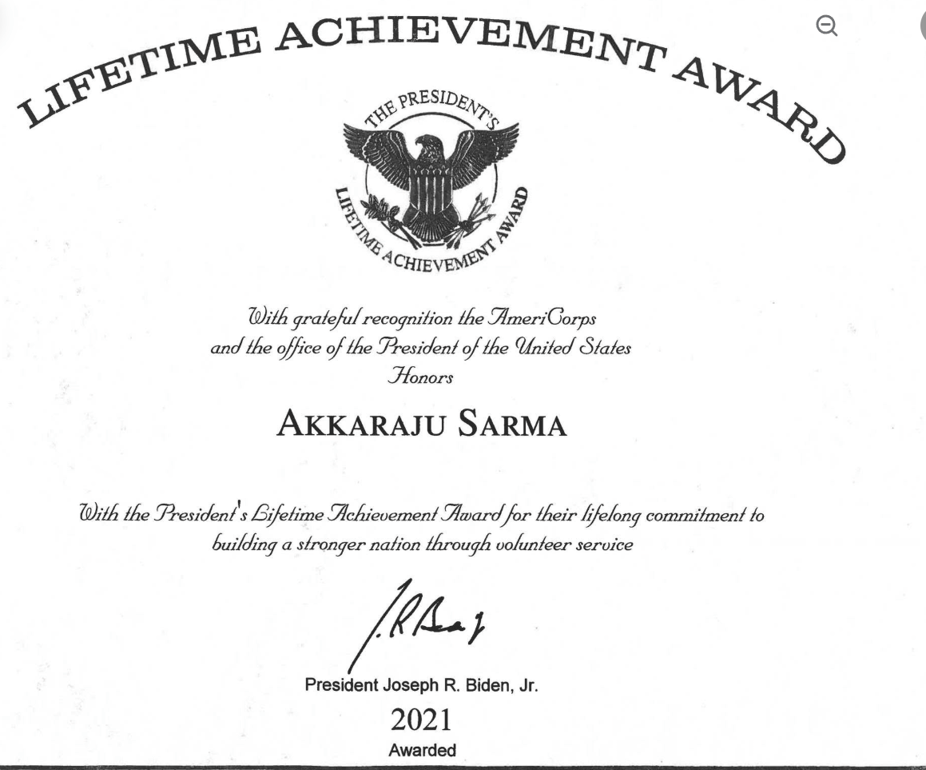
Today , as a super senior citizen, Dr Akkaraju Sarma has proved that age is just a number, as he selflessly provides healthcare services to the needy. Most importantly in all his endeavors the pillar of his strength was his wife Smt Kameswari Akkaraju, a Medical Histologist by profession. They had a beautiful service oriented partnership of more than 6 decades of volunteerism and social service, till she attained heavenly abode in 2022.


